
A clogged sink is one of the most common plumbing problems homeowners deal with — and one of the most annoying. Whether your kitchen sink is draining at a crawl or your bathroom basin is completely backed up, ignoring the problem will only make it worse over time.
Here’s a practical guide from your local Upland plumbing team on why sinks clog, what you can do about it, and when it makes sense to call a pro.
Why Do Sinks Clog?
Kitchen and bathroom sinks clog for different reasons — but both can become serious issues if left untreated.
Kitchen Sinks
⦁ Grease and cooking oil that hardens inside the drain pipe
⦁ Food scraps, coffee grounds, and starchy foods even when a garbage disposal is used
⦁ Soap residue that builds up on the inner walls of the pipe over time
Bathroom Sinks
⦁ Hair accumulation, especially in homes with multiple residents
⦁ Toothpaste and soap scum binding to the inside of the drain
⦁ Small objects like jewelry caps or cotton swabs falling into the drain
How to Unclog a Sink at Home
Before calling a plumber, try these tried-and-true methods for clearing a clogged sink:
Remove and Clean the Drain Stopper
Many bathroom sinks have a pop-up stopper that collects hair and soap. Lift or unscrew it and clean off the debris — this alone often solves the problem.
Use a Drain Snake or Hair Clog Remover
A plastic hair clog remover tool (sometimes called a Zip-It) can reach down into the drain and pull out hair and gunk without any chemicals.
Try Dish Soap and Hot Water
For kitchen sink grease clogs, squirt a generous amount of dish soap into the drain, then slowly pour boiling or very hot water. Dish soap breaks down grease effectively.
Baking Soda and Vinegar Flush
Pour 1/2 cup of baking soda into the drain, then follow with 1/2 cup of white vinegar. Cover the drain for 15 minutes, then flush with hot water. This fizzing reaction can clear minor organic buildup.
Check and Clean the P-Trap
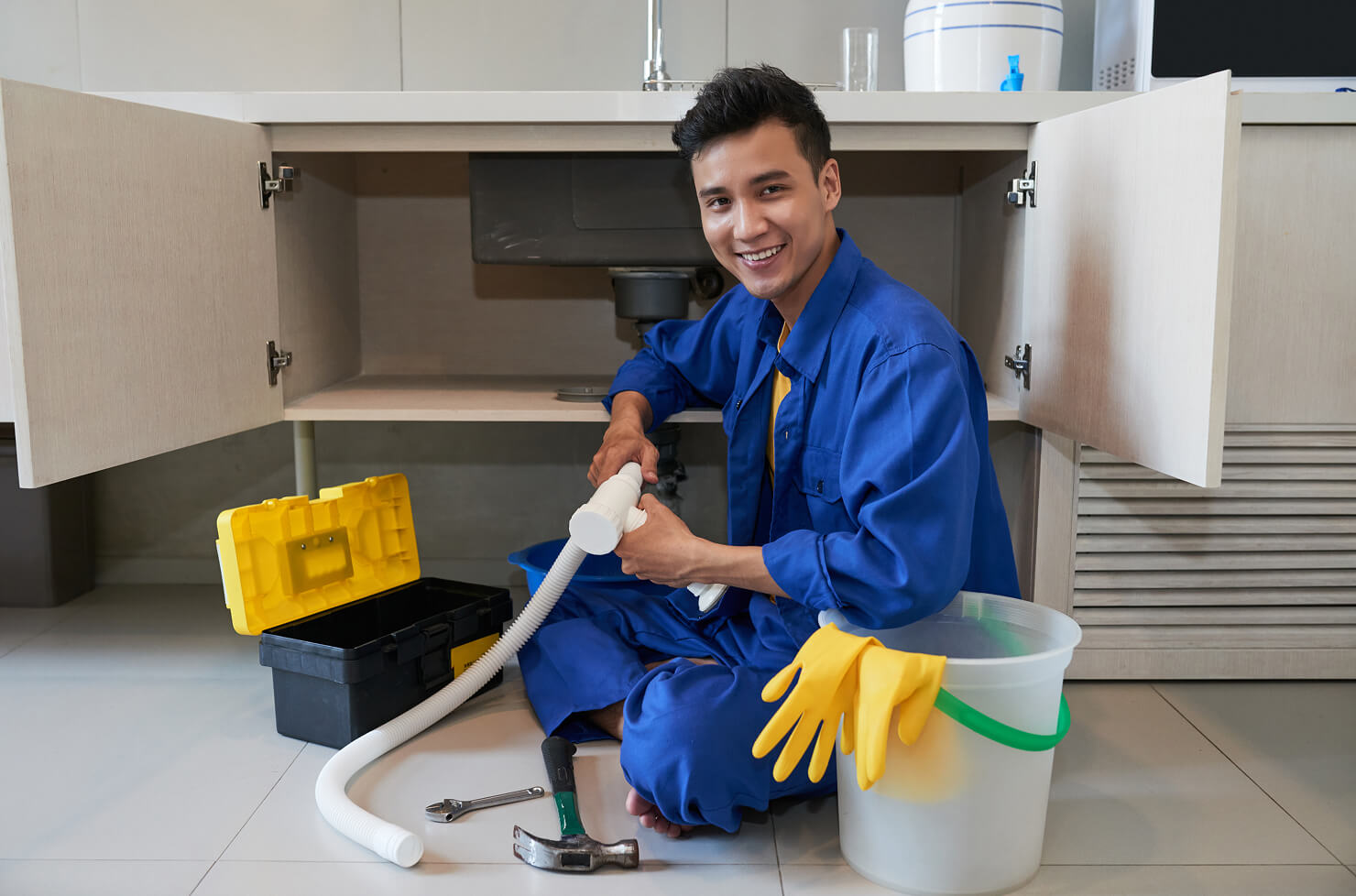
The curved pipe beneath your sink (the P-trap) is a common clog location. Place a bucket underneath, unscrew the slip joints, empty the trap, remove any debris, and reattach. Easy and effective.
What NOT to Do With a Clogged Sink
⦁ Don’t overuse liquid chemical drain cleaners — they can corrode older pipes and rarely fix deep clogs
⦁ Don’t ignore a slow drain — partial clogs become full clogs quickly
⦁ Don’t use a plunger if you’ve just poured chemical cleaner down the drain (dangerous splashback)
⦁ Don’t run hot water continuously hoping the clog will clear on its own — it usually won’t
When to Call a Professional for a Clogged Sink
Some sink clogs are beyond DIY methods. Contact a licensed plumber in Upland if:
⦁ You’ve tried multiple DIY methods and the sink is still clogged or draining slowly
⦁ The clog keeps coming back within days or weeks
⦁ Multiple sinks in your home are backing up at the same time
⦁ There’s a sewage smell coming from the drain
⦁ You notice water pooling under the sink (could indicate a leaking pipe or P-trap)
Professional Sink Drain Cleaning in Upland
At Plumber in Upland, we use professional hydro jetting equipment and video camera inspection to diagnose and clear even the most stubborn sink clogs. We serve all of Upland, Rancho Cucamonga, Claremont, Ontario, and surrounding areas.
Give us a call at 909-359-3747 anytime — we offer same-day service and are available 24/7 for drain emergencies. All work comes with upfront pricing and our satisfaction guarantee.